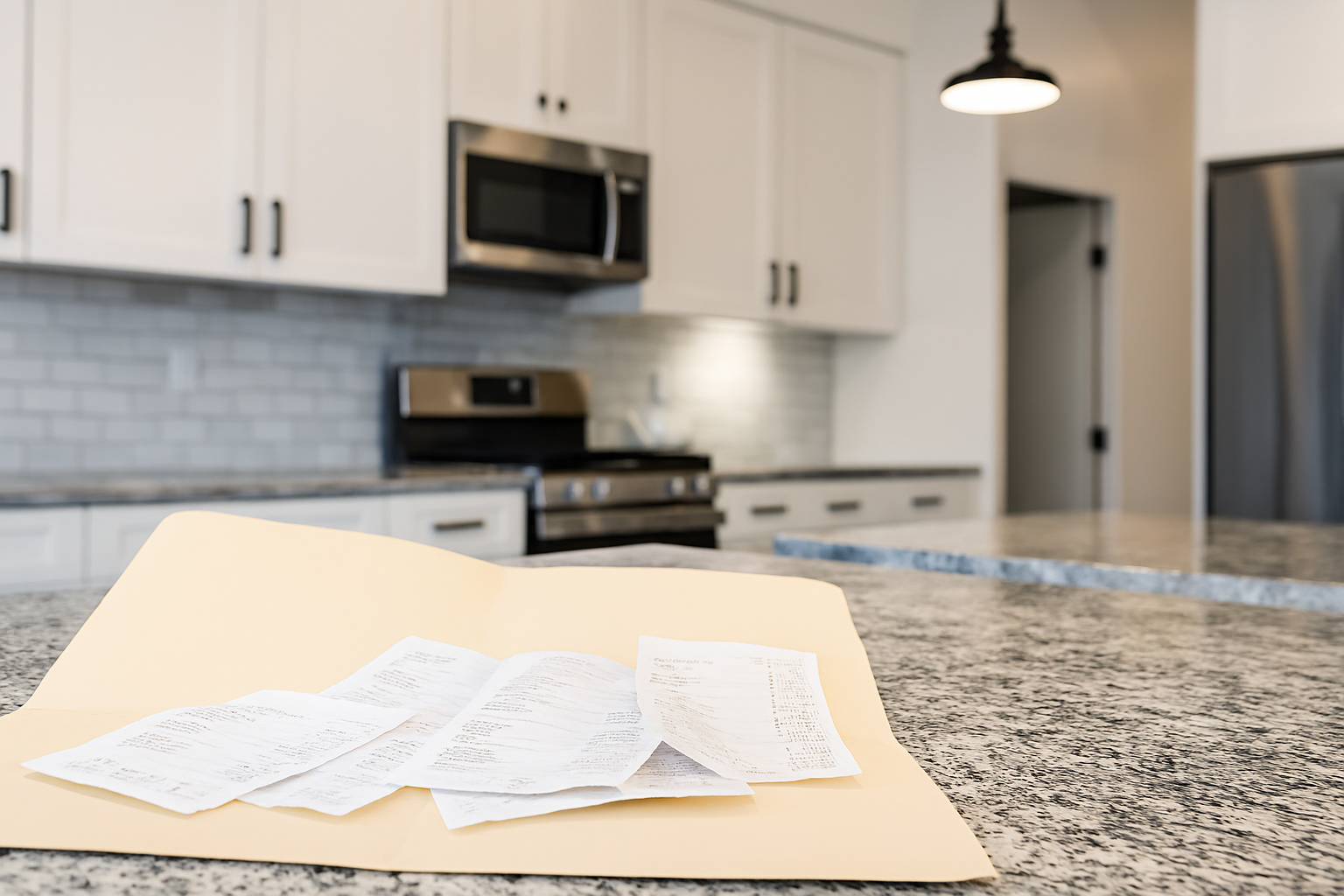
Why Sellers Should Keep Remodeling Receipts to Support Their Asking Price
When preparing to sell a home, many sellers focus on curb appeal, staging, and marketing. But one often-overlooked detail can make a significant difference in the final sale price: keeping and presenting receipts for remodeling and upgrades. These documents can play a critical role in justifying your asking price, especially if the appraisal comes in lower than expected or if comparable sales (comps) are limited.
Here’s why receipts matter—and how they can help protect your sale.
The Role of the Appraisal in a Home Sale
In most real estate transactions, especially those involving financing, the buyer’s lender will require an appraisal. This independent assessment determines the fair market value of the property based on recent sales of similar homes in the area, the condition of the property, and its features.
If the appraised value comes in below the contract price, it can create a major hurdle. The buyer’s lender may not approve the full loan amount, forcing the buyer to renegotiate, bring more cash to the table, or walk away. In competitive markets or unique neighborhoods, finding enough qualified comps can be difficult, especially if your home has features or upgrades that others nearby do not.
Why Receipts Matter
Receipts for remodeling work, upgrades, and improvements provide tangible evidence of value added to the home. While appraisers rely heavily on comps, they also consider the quality and extent of improvements. Without documentation, it’s difficult for an appraiser to assign value to those upgrades.
Here’s how receipts help:
- Proof of Investment: Receipts show that money was spent to enhance the property. Whether it’s a new roof, updated kitchen, or energy-efficient windows, these improvements can increase the home’s value—but only if the appraiser knows about them.
- Justification for Asking Price: If your asking price is higher than nearby sales, receipts help explain why. They show that your home isn’t just priced higher, it’s worth more due to the upgrades.
- Support During Appraisal Challenges: If the appraisal comes in low and comps are scarce or outdated, receipts can help the appraiser justify a higher value. This is especially important in areas with few recent sales or in homes with custom features.
What Types of Receipts Are Most Useful?
Not all receipts carry equal weight. Appraisers look for improvements that are permanent, structural, or significantly enhance the home’s functionality or appeal. Examples include:
- Roof replacement or repair
- HVAC system upgrades
- Kitchen and bathroom remodels
- Flooring replacement
- Window and door upgrades
- Plumbing or electrical updates
- Exterior improvements like siding, fencing, or landscaping
Receipts should be itemized and ideally include the contractor’s name, scope of work, and total cost. If you did the work yourself, keep receipts for materials and document the process with before-and-after photos.
How to Organize and Present Receipts
When preparing to list your home, gather all relevant receipts and organize them by category. Create a simple spreadsheet or binder that includes:
- Date of improvement
- Description of work
- Contractor or vendor name
- Total cost
- Supporting photos (if available)
Share this documentation with your real estate agent, who can include it in the listing notes or provide it to the appraiser during the valuation process. Some sellers also leave a printed copy in the home for appraisers to review during their visit.
What Happens If You Don’t Have Receipts?
Without receipts, it’s harder to prove the value of your upgrades. Appraisers may note the improvements but assign minimal value if they can’t verify the scope or cost. This can result in a lower appraisal, which may jeopardize your sale or force you to lower your price.
Even if you’ve lived in the home for years, it’s worth digging through old files or contacting contractors to retrieve missing documentation. The effort can pay off in a stronger appraisal and smoother transaction.
Final Thoughts
Selling a home is about more than showcasing its beauty, it’s about proving its value. In a market where appraisals can make or break a deal, receipts for remodeling and upgrades are a seller’s secret weapon. They provide clarity, credibility, and confidence to buyers, agents, and appraisers alike.
If you’ve invested in your home, don’t let that value go unrecognized. Gather your receipts, organize your documentation, and make sure your improvements are part of the story your home tells. It could be the difference between a successful sale and a stalled negotiation.