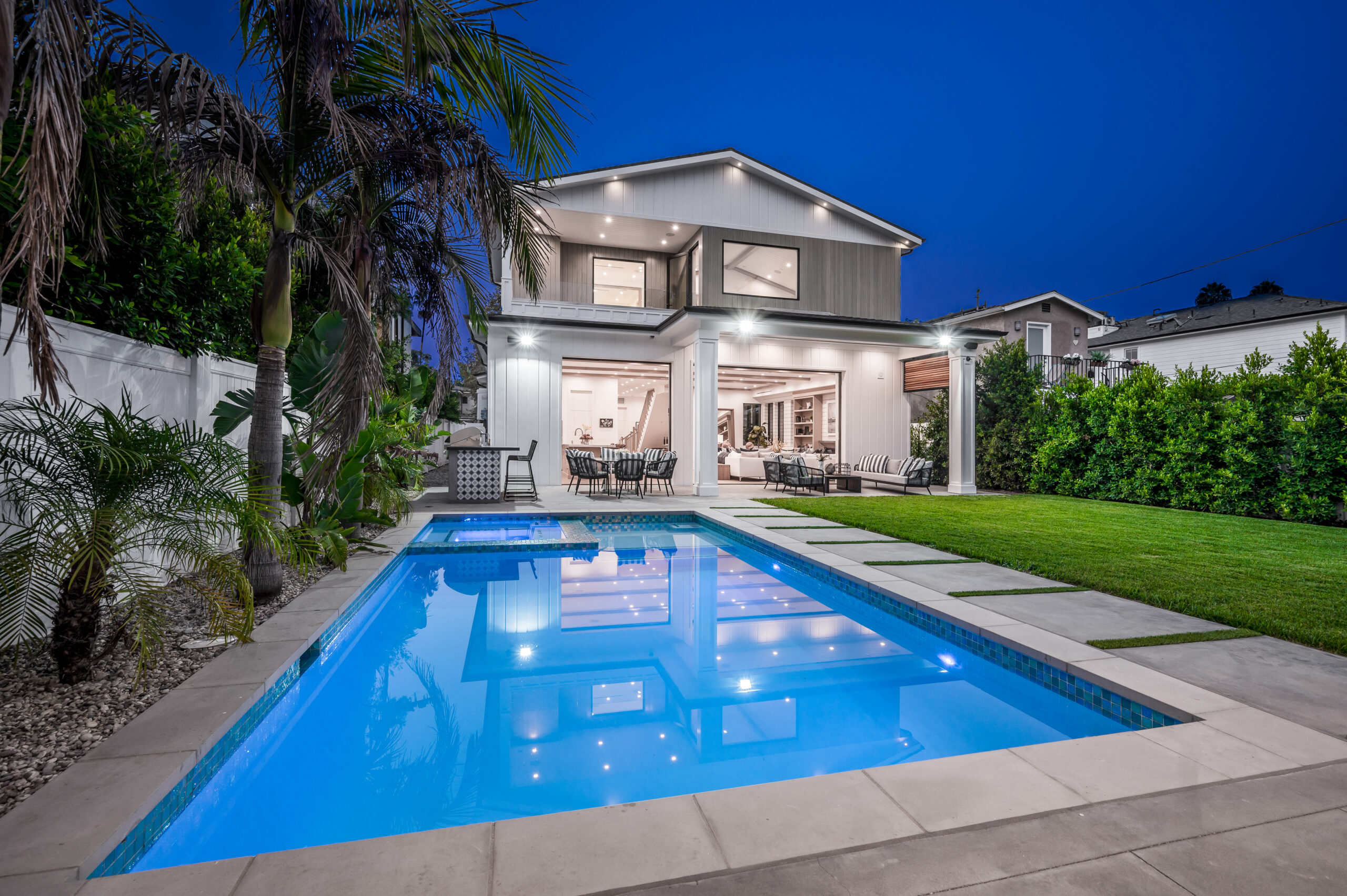
Buying a Home With a Pool vs. Adding One Later:
What Homebuyers Should Consider
For many homebuyers, a swimming pool represents relaxation, entertainment, and an upgraded lifestyle. In warmer climates especially, a pool can feel like a must-have feature. But when searching for a home, buyers are often faced with a choice: purchase a home that already has a pool, or buy a home without one and add it later. Each option comes with advantages and potential drawbacks, and the right choice depends on lifestyle, budget, and long-term plans.
Buying a Home With an Existing Pool
Purchasing a home that already includes a pool offers immediate enjoyment. There is no waiting period, no construction noise, and no surprise installation costs. From day one, homeowners can use the pool for recreation, exercise, or entertaining family and friends.
One of the biggest advantages of buying a home with a pool is cost predictability. The price of the pool is already factored into the home’s purchase price, which can be rolled into a traditional mortgage. This is often more affordable than paying for a pool out of pocket later or financing it separately. Buyers also avoid potential price increases for materials and labor, which can significantly impact pool installation costs.
Another benefit is convenience. The pool is already permitted, installed, and landscaped into the property. Buyers can see exactly what they are getting, including the pool’s size, layout, and placement in the yard. This eliminates the uncertainty that can come with designing and building a pool from scratch.
However, there are considerations to keep in mind. Existing pools may be older and could require maintenance, repairs, or upgrades over time. Buyers should always schedule a pool inspection to evaluate the condition of the equipment, surface, and safety features. Additionally, a home with a pool may have higher insurance premiums and ongoing maintenance costs, which should be factored into the overall budget.
Buying a Home Without a Pool and Adding One Later
Buying a home without a pool provides flexibility. Homebuyers can focus on the house itself, the neighborhood, and the lot size without being limited by existing pool features. This option often allows buyers to purchase a home at a lower initial price, potentially leaving room in the budget to add a pool later.
One of the main advantages of adding a pool after purchase is customization. Homeowners can design a pool that fits their exact preferences, whether that means a specific shape, depth, water features, or integrated outdoor living space. Modern pools can include energy-efficient systems, smart technology, and design elements that may not be present in older pools.
Timing can also be an advantage. Some buyers prefer to live in the home for a while before committing to a pool. This allows them to better understand how they use their outdoor space and whether a pool truly fits their lifestyle.
That said, adding a pool later comes with challenges. Pool construction can be costly, and expenses often exceed initial estimates due to permitting, excavation, fencing, and landscaping. Financing a pool separately may involve higher interest rates than a mortgage. Construction can also be disruptive, requiring weeks or months of work that limits yard access and creates noise and debris.
Another important consideration is resale value. While pools can be highly desirable in certain markets, they do not always add dollar-for-dollar value to a home. In some neighborhoods, a pool is expected and helps a home compete, while in others it may limit the buyer pool. Local market conditions play a significant role.
Are There Advantages One Way or the Other?
The advantage depends largely on personal priorities. Buyers who value immediate enjoyment, predictable costs, and convenience often prefer homes with existing pools. Those who prioritize customization, flexibility, and lower upfront costs may lean toward adding a pool later.
Maintenance and long-term ownership costs should also be part of the decision. Pools require regular cleaning, chemical balancing, and occasional repairs. For some homeowners, this is a worthwhile trade-off. For others, it may feel like more responsibility than benefit.
Final Thoughts
There is no one-size-fits-all answer when it comes to buying a home with a pool versus adding one later. The best choice depends on how you plan to use the pool, your budget, your timeline, and the local real estate market. Understanding the advantages and potential drawbacks of each option helps you make a confident and informed decision.