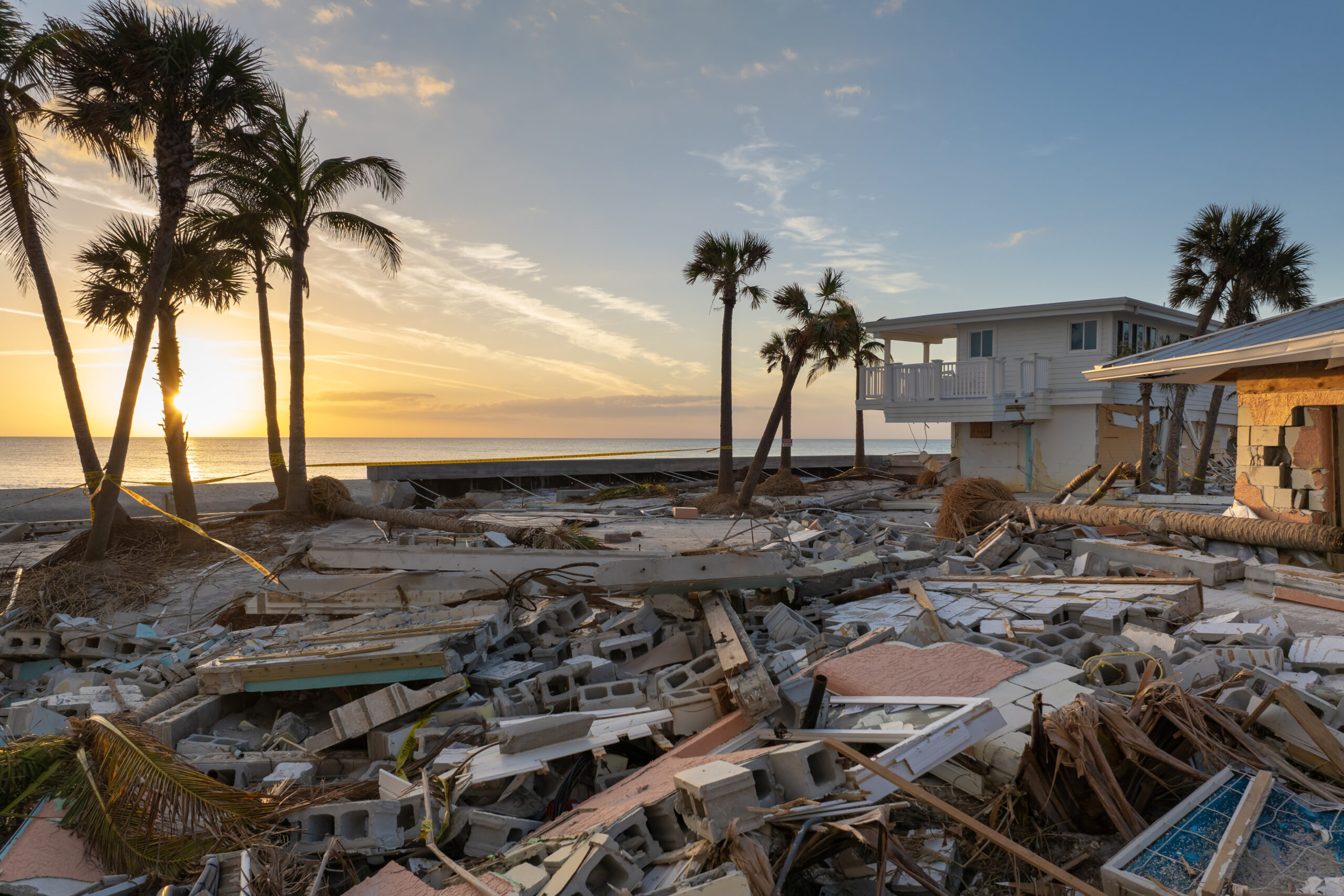
Climate Risk and Insurance Costs Are Reshaping Buyer Priorities in Northeast Florida
In 2025, the conversation around real estate in Northeast Florida has evolved. While location, lifestyle, and amenities still influence purchasing decisions, affordability and climate resilience have become top priorities for today’s homebuyers. Rising insurance premiums and increasing awareness of flood risk are leading many buyers to evaluate properties more carefully — and this new mindset is reshaping demand across the region’s waterfront and low-lying communities.
The New Buyer Mindset: Risk-Aware and Resilience-Focused
Buyers are no longer just asking about square footage, schools, and neighborhood amenities. Their questions have shifted toward long-term security and cost of ownership:
-
Is this home in a flood zone?
-
What is the current insurance premium, and how likely is it to rise?
-
Has the property been elevated, reinforced, or storm-hardened?
-
What’s the long-term outlook for this neighborhood based on environmental risk?
This shift is especially noticeable among out-of-state buyers, many of whom are relocating from regions already affected by natural disasters such as wildfires, hurricanes, or rising sea levels. They’re bringing a deeper awareness of climate-related risk — and applying that mindset to their Florida home searches.
Insurance Premiums: The Hidden Cost of Coastal Living
Florida’s property insurance market has faced pressure for years, but 2025 has introduced new challenges. Premiums in many coastal ZIP codes have surged, with some homeowners experiencing double-digit increases year over year. Stricter underwriting standards mean older homes or those without storm-resistant features may be more difficult — or more expensive — to insure.
Additionally, flood insurance requirements have expanded, particularly in FEMA-designated high-risk areas. For today’s buyers, that means the cost of ownership extends well beyond the mortgage. Insurance premiums, maintenance expenses, and potential climate-adaptation costs all play a larger role in purchasing decisions than ever before.
How It’s Reshaping Demand in Northeast Florida
This shift in priorities is clearly reflected in local market trends. Across the Jacksonville, St. Johns, and coastal areas, buyers are increasingly drawn to homes that balance lifestyle appeal with resilience and long-term affordability.
We’re seeing:
-
Increased demand for elevated or inland properties in communities such as Julington Creek, Nocatee’s higher elevations, and parts of St. Johns County.
-
Greater scrutiny of building materials, roof age, and storm-protection features in coastal markets like Jacksonville Beach, Ponte Vedra, and Fernandina Beach.
-
A stronger preference for newer construction featuring energy-efficient systems, impact-rated windows, and flood-resistant design.
Meanwhile, some waterfront and low-lying properties are spending longer on the market or seeing price adjustments. The issue isn’t desirability — it’s the rising cost of ownership and heightened buyer caution.
What Agents and Sellers Should Do Now
Real estate professionals and sellers can stay ahead of this trend by being proactive, transparent, and informed. Recently, the Northeast Florida Association of Realtors added a mandatory Flood Disclosure to be included in each transaction in order to help with this cause.
-
Be clear about disclosures. Understand your property’s flood zone, insurance history, and any mitigation measures that may enhance value.
-
Emphasize resilience. Highlight upgrades such as elevated foundations, hurricane-rated windows, newer roofs, or drainage improvements. These features are becoming key selling points.
-
Educate buyers. Provide resources such as flood maps, local insurance quotes, and details on community resilience initiatives. Empowering buyers with knowledge helps them make confident decisions.
The Bottom Line
This is more than just a short-term shift — it represents a fundamental transformation in how buyers evaluate Florida real estate. As climate awareness grows and insurance markets adjust, agents and homeowners must evolve alongside them.
In Northeast Florida, success in 2025 and beyond will depend on helping buyers identify not only the right home but also the smartest, most sustainable investment for their future.
Real estate professionals who understand and communicate this balance — between lifestyle and long-term resilience — will be the ones leading the market forward.