The Hidden Home Maintenance Tips Every Homeowner Should Know: Sprinklers, Pavers, and Paint
When it comes to taking care of a home, most owners tend to focus on the obvious priorities: the roof, the HVAC system, the landscaping that everyone can see. Yet some of the most impactful maintenance choices are the ones homeowners rarely think about until something goes wrong. Among these are three deceptively simple habits that can dramatically affect the longevity, appearance, and value of your property: keeping your sprinklers running year-round, sealing your pavers, and avoiding the use of flat paint in most interior spaces. Though they may seem unrelated, each plays a key role in preserving your home’s functionality, aesthetics, and long-term durability.
Keep Your Sprinklers Running, Even in Winter
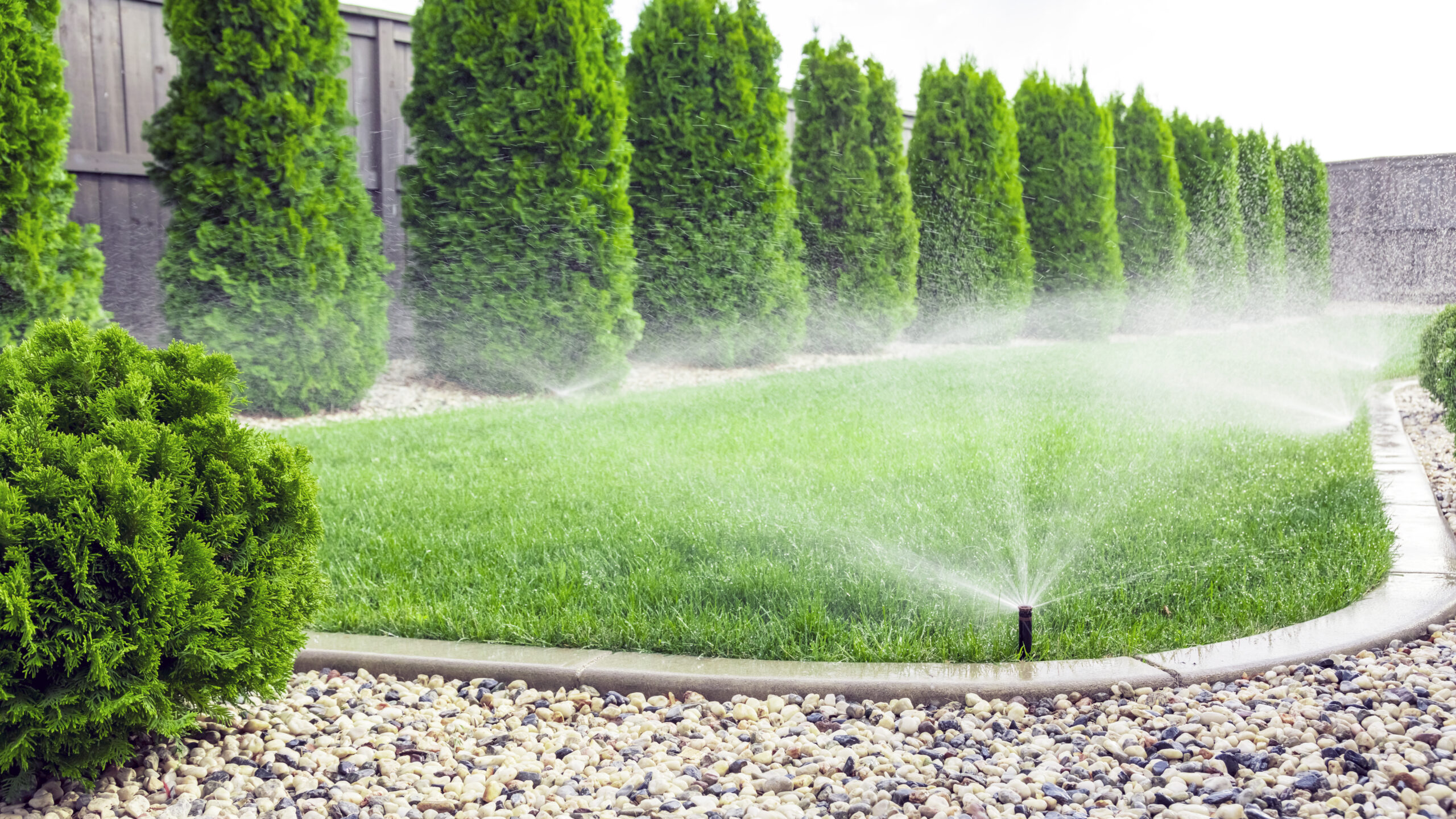
Turning off the irrigation system during the colder months feels like the natural thing to do. After all, plants grow more slowly in winter, and many regions experience lower temperatures and higher rainfall. But completely shutting down your sprinkler system can create several unexpected problems.
First, turf health suffers more quickly than homeowners expect. Even in winter, grass and many landscape plants still need consistent moisture to maintain healthy root systems. When soil remains too dry for too long, roots contract and weaken, causing the lawn to brown out, thin, or become more vulnerable to pests and disease. Then, when spring arrives, homeowners are left wondering why their once-healthy lawn struggles to green back up.
Second, soil stability depends on regular hydration. Dry, compacted soil can shift more easily, especially in climates with cycles of freezing and thawing. This shift can affect everything from walkways to driveways to the foundation itself. A modest, consistent irrigation schedule helps keep moisture levels stable, reducing the chance of soil movement that could eventually become a costly structural issue.
Finally, keeping the system active, even on a limited schedule, helps safeguard the irrigation components themselves. Valves, seals, and rotors that sit unused for months are more likely to crack or malfunction. Running the system periodically keeps parts lubricated and functional, allowing you to catch issues early rather than discovering them during the first warm week of spring when professional irrigation companies are already fully booked.
Seal Your Pavers
Pavers are often chosen for their beauty and durability, yet many homeowners do not realize that maintaining them properly requires more than occasional sweeping. Sealing pavers is one of the most effective steps you can take to preserve not only their color and appearance but also their long-term structural integrity.
Unsealed pavers absorb moisture, dirt, and organic material more easily. Over time, this leads to staining, fading, and the growth of weeds or algae in the joints. A high-quality sealer acts as a protective barrier, repelling water and preventing contaminants from penetrating the surface. This protection is especially valuable in areas prone to heavy rain, irrigation overspray, or freeze-thaw cycles.
Sealing also preserves the rich, fresh appearance of the paver surface. UV exposure can quickly dull the color of unsealed stone or concrete. A good sealer not only guards against fading but can deepen the natural tones of the material, giving your hardscape a cleaner, more polished look year-round.
Equally important is the role sealer plays in joint stabilization. Many modern paver installations use polymeric sand, which hardens when set properly. A sealer helps lock that sand in place, reducing erosion from rain or irrigation. This prevents shifting, unevenness, and loose joints—all issues that can lead to premature repairs. In short, sealing your pavers is a cost-effective way to protect an investment that significantly enhances your home’s curb appeal.
Never Paint With Flat Paint Indoors
Flat paint may seem appealing at first glance. It is inexpensive, easy to apply, and does a good job hiding minor imperfections on walls. Yet for most interior spaces, it is one of the least practical choices you can make.
The main problem with flat paint is its lack of durability. It absorbs stains, scuffs, and fingerprints almost instantly, and cleaning it often causes the finish to fade or streak. High-traffic areas like hallways, kitchens, bathrooms, and children’s rooms become worn and patchy within months. Homeowners then find themselves repainting more frequently, which ultimately costs more time and money than simply choosing a higher-quality paint finish from the start.
In contrast, eggshell, satin, and semi-gloss finishes offer far better washability and resistance to daily wear. These finishes stand up to cleaning, maintain their color and sheen longer, and generally provide a more polished and intentional appearance. Even in rooms where imperfections need to be masked, modern paints with low-sheen finishes strike an effective balance between forgiveness and durability.
Maintaining a Home Is About Smart, Consistent Choices
Home maintenance is rarely about dramatic interventions. Instead, it is the cumulative effect of smart, consistent decisions that protect your property’s beauty and stability. Running your sprinklers in winter, sealing your pavers regularly, and avoiding flat interior paint may not sound like major maintenance tasks, but each contributes meaningfully to the comfort, longevity, and value of your home. By taking these small steps now, you set the stage for fewer repairs, fewer surprises, and a home that continues to look and perform its best for years to come.